
Root Canal Treatment in Middlesex
Our Treatments
Need help ?
Schedule your initial consultation
today and start your journey towards a pain free, healthier smile. Contact us now!
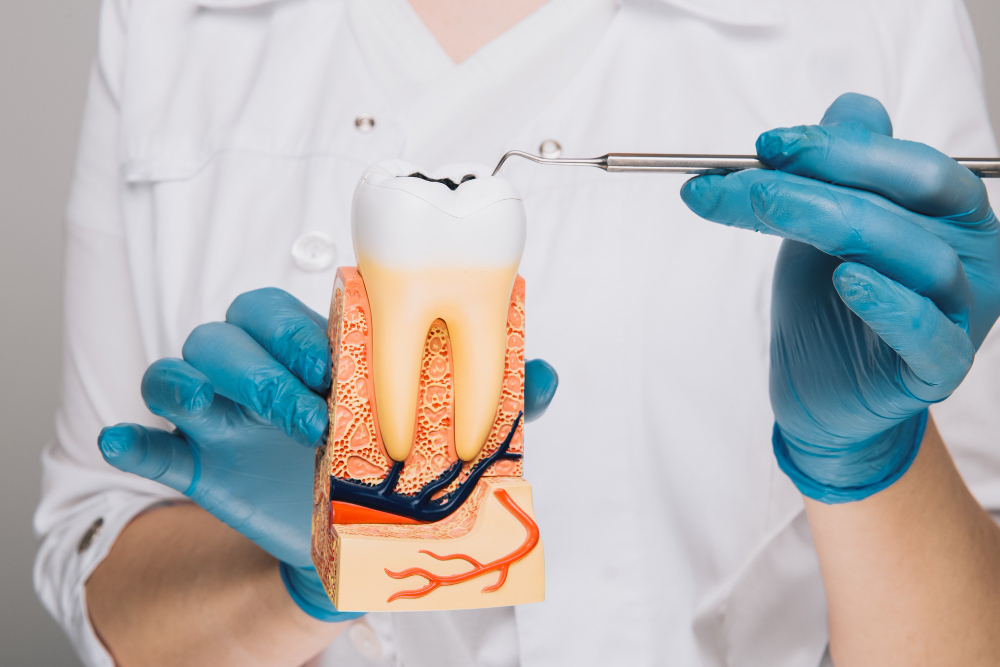
At Hayes Dental Clinic, we understand the impact that missing teeth can have on your confidence and overall oral health. Dentures are a trusted and effective way to restore both the function and appearance of your smile. Whether you’re missing one or multiple teeth, dentures can provide a practical, affordable solution that helps you regain your smile, your comfort, and your confidence.
What Is Root Canal Treatment?
Root canal treatment involves removing the infected or damaged pulp inside your tooth, cleaning the area, and sealing it to prevent further infection. The goal is to save the tooth and maintain its function and appearance. If left untreated, the infection can spread, leading to more severe complications such as abscesses or the need for tooth extraction
Why Do You Need Root Canal Treatment?
You may need root canal treatment for various reasons, including:
- Severe tooth decay
- Repeated dental treatment on the same tooth
- A cracked or broken tooth
- A broken crown
- Loose or cracked fillings
- Gum disease
- An injury, such as a blow to the mouth
If left untreated, the infection can spread, causing a painful abscess—a collection of pus that can result in swelling around your tooth and jaw. Additionally, a tooth may look darker than the rest of your teeth, which is a sign that the nerve inside your tooth is dead or dying.
How Root Canal Treatment Works
At Hayes Dental Clinic, root canal treatment is carried out with precision and care. The process generally involves the following steps:
- Initial Examination: Your dentist will examine the affected tooth, ask about your symptoms (including any pain you’re experiencing), and take your medical history. They may also ask about any previous dental treatments you’ve had.
- X-ray: An X-ray will be taken to assess the extent of the infection and to determine whether your tooth can be saved. The X-ray also helps the dentist see if there is any significant damage to the tooth or surrounding tissues.
- Anesthesia: Local anesthesia is administered to numb the area, ensuring that the procedure is pain-free.
- Cleaning and Shaping the Canal: The dentist will remove the damaged or infected pulp from inside the tooth and clean the space to remove bacteria and debris.
- Sealing: After cleaning, the dentist will fill and seal the root canal with a biocompatible material to prevent further infection.
- Restoration: Depending on the condition of the tooth, your dentist may place a crown over the tooth to restore its strength and appearance. This is often done in a second visit.
What to Expect After Root Canal Treatment
Recovery Time
After your root canal treatment, it may take several hours for the anesthesia to wear off, but you’ll be able to go back to work the same day. You may experience mild tenderness around the treated area for a few days, which is common and can be managed with over-the-counter pain relievers like paracetamol or ibuprofen.
Post-Procedure Care
- Avoid bumping or knocking the area during the first few hours.
- The tenderness should subside in a few days, and the area around your tooth may swell or bruise slightly. This should improve within two weeks.
Follow-up Appointments
Your dentist may schedule a follow-up appointment to ensure the tooth is healing well. Additional X-rays may be taken to check for any signs of complications or infection.
What Will My Tooth Look Like After Root Canal Treatment?
Traditionally, root canal treatment has been associated with darker teeth, but with modern techniques, your tooth can look almost exactly as it did before the procedure. Hayes Dental Clinic uses the latest methods and materials to ensure that your treated tooth maintains its natural appearance while strengthening treated teeth and restoring damaged teeth. If you have concerns about the look of your teeth, speak with your dentist, who can address your questions and provide options for achieving the best cosmetic results.
Alternatives to Root Canal Treatment
While root canal treatment is the most common and effective way to save a damaged tooth, there are alternatives that may be considered based on the severity of the damage:
- Tooth Extraction: If the tooth is too damaged and cannot be saved, extraction may be necessary. Once removed, the tooth can be replaced with a dental implant or bridge.
- Dental Implants: If extraction is required, a dental implant may be a viable option for replacing the missing tooth, as it involves placing a titanium post into the jawbone to hold a replacement tooth.
- Dental Bridges: Bridges are false teeth that are anchored to adjacent teeth and can be used to fill gaps left by missing teeth.
How Long Does It Take to Recover from Root Canal Treatment?
The recovery process from root canal treatment is generally quick, and most patients return to their normal activities the same day. However, it may take a few days to feel fully comfortable. Here’s what you can expect:
- Anesthesia Effect: It will take a few hours for the numbness from the local anesthesia to wear off.
- Mild Discomfort: You may experience mild discomfort or soreness in the treated area, but this is temporary and can be managed with over-the-counter pain relievers.
- Swelling and Bruising: Mild swelling or bruising around the treated area is common, but it should subside within a couple of weeks.
- Follow-up Appointments: Your dentist may schedule a follow-up visit to ensure that the tooth is healing properly and that no complications have arisen.
Are There Any Complications with Root Canal Treatment?
Most root canal treatments are successful, but, like any dental procedure, there can occasionally be complications, including:
- Infection: If the tooth is not properly sealed or the infection wasn’t fully removed, it can return.
- Damage to the Root Canal or Surrounding Tissue: Rarely, the surrounding bone or tissue may be affected.
- Damage to Nerves: In some cases, nerves around the treated tooth can be affected, causing discomfort or complications.
Your dentist at Hayes Dental Clinic will work closely with you to minimize risks and ensure a smooth, successful recovery.
Frequently Asked Questions (FAQs)
Is root canal treatment painful?
Root canal treatment is typically not painful thanks to local anesthesia. You may experience mild discomfort or tenderness afterward, which can be managed with over-the-counter pain relievers.
How long does a root canal treatment take?
The procedure typically takes 1-2 hours, depending on the complexity of the tooth. Some cases may require multiple appointments.
Will my tooth look normal after root canal treatment?
Yes, with modern techniques, your treated tooth will look almost the same as it did before the procedure. If needed, a crown can be placed to restore its natural appearance.
How do I take care of my tooth after root canal treatment?
Follow your dentist’s instructions carefully. Avoid chewing hard foods on the treated tooth until it is fully restored. Good oral hygiene is essential to prevent further infection.
How much does root canal treatment cost?
The cost varies depending on the complexity of the treatment and the tooth being treated. At Hayes Dental Clinic, we offer flexible payment options and work with most insurance providers to help make the procedure affordable.
Book Your Root Canal Treatment Today!
If you’re experiencing tooth pain or suspect that you need a root canal treatment, don’t wait! Hayes Dental Clinic offers expert care to help save your tooth and relieve your pain.
Call us today at +44 20 8573 5899, visit our Dental Clinic in Middlesex, or easily book your appointment online. Let us help you restore your smile with pain-free root canal treatment.

Book Appointment
Easily schedule your appointment by a Filling out our
simple form